
Aloe Vera: Is It Good For More Than Just Burns?
- MakaylaKeene

- Oct 29, 2024
- 3 min read
Updated: Nov 2, 2024
Aloe vera is more than just a green plant that brightens your space. This remarkable succulent has been a beloved staple in homes and gardens worldwide for centuries. Known for its soothing gel, aloe is packed with health benefits and creative uses that can enhance your daily life.
Aloe vera has a rich history that dates back over 5,000 years. Ancient Egyptians referred to it as the "plant of immortality" due to its healing properties. Historical records show it was included in burial rites and used for skin treatments. The Greeks and Romans recognized its value for various ailments, believing it contributed to longevity and overall wellness.
Today, aloe vera's reputation has only grown, and it is found in many products such as ointments, supplements, and health drinks. The plant’s resilience, thriving in diverse climates, has made it a favorite among plant enthusiasts and home gardeners alike.
The Benefits of Aloe
Aloe vera isn't just a healing plant; it's also a nutritional powerhouse. Its gel is rich in vitamins A, C, and E, which are vital for maintaining healthy skin. The B vitamins in aloe are crucial for energy and metabolism, helping you stay active and alert throughout the day.
Aloe is loaded with antioxidants. These compounds help combat oxidative stress, supporting immune function. Research has shown that regular consumption of aloe vera juice can improve digestion, reduce inflammation, and even regulate blood sugars, making it a beneficial addition to any diet. For example, one study found that aloe vera juice improved digestion in 80% of participants, showcasing its effectiveness. When consumed in moderation, it also acts as a natural laxative, promoting regular bowel movements. However, it's essential to limit intake; excessive consumption can lead to stomach cramps, as seen in some cases.
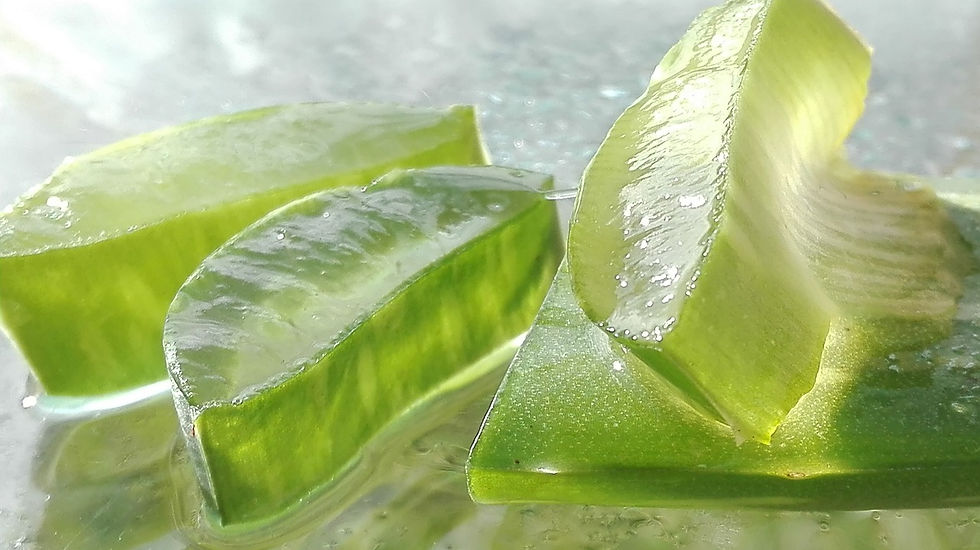
Aloe vera's skin benefits have made it a staple in the beauty industry. When applied topically, the gel provides instant relief for sunburn, irritation, and minor burns. Many users report that it helps keep their skin hydrated and reduces the appearance of blemishes.
Its anti-inflammatory properties are particularly helpful for those with acne-prone skin. Aloe vera can calm redness and irritation, often serving as a natural remedy compared to chemical treatments. A study indicated that participants using aloe vera showed a 35% reduction in acne lesions after just four weeks. Additionally, aloe vera can double as a natural moisturizer and makeup primer. It gives your skin a dewy look while ensuring hydration.
Aloe vera is also beneficial for hair care. Many people use it to nourish their scalp, reduce dandruff, and encourage hair growth. Homemade hair masks containing aloe gel can enhance shine and moisture, resulting in healthier hair.

How to Grow and Care for Aloe Vera
Growing aloe vera is straightforward, making it a great option for gardeners of all skill levels. This hardy plant thrives in well-draining soil and needs minimal watering. Ideally, provide bright, indirect sunlight, with watering only when the soil is fully dry.
If you're growing aloe indoors, use pots with drainage holes to avoid root rot. Regularly trimming dead leaves can help promote healthy growth and keep your plant thriving.
The Ethics of Aloe Production
While aloe vera is easily accessible, consumers should be aware of the ethical considerations regarding its production. High demand can result in unsustainable farming practices, particularly in commercial growing regions.
Choose products from brands that prioritize ethical sourcing and sustainable practices. This not only guarantees a quality product but also contributes to better outcomes for the environment and communities involved in aloe cultivation. Making informed decisions about aloe purchases leads to a more ethical consumer experience.
Aloe vera is a remarkable plant offering various benefits for health and beauty. Its long-standing history showcases its value, while its adaptability ensures its enduring popularity. By learning about aloe's properties and finding ways to incorporate it into daily life, you can truly appreciate this humble, yet powerful plant.
While aloe vera can be a beneficial natural alternative, it is always wise to consult a healthcare professional before starting any new health regimen.
Precautionary Statement: Wet Your Plants Blog and/or its employees are not responsible for the use, misuse, or damage caused by the application or misapplication of information mentioned in this document.

Comments