
The Planting of the Bulbs
- MakaylaKeene

- Sep 26, 2024
- 3 min read
When the frost and snow melt and winter fades away, spring brings its many colors and blooms. For many flowers, this is the prime time for planting seeds. However, some have been waiting to emerge since the fall.
A few flowering geophytes are planted in the fall, & patiently await in the cold winter months for the warmth of spring. There are different types of geophytes such as bulbs, tubers, corms, and/or rhizomes. But, bulbs are the only of the four that have a basal plate—meaning they contain a fleshy stem within itself that creates new organs, like leaves and roots. Bulb plants, like their other perennial friends, store their nutrients below the soil's surface throughout the winter.
While most perennial plants lie dormant to survive the winter, bulbs are semi-dormant—steadily growing their roots little by little. They depend on the colder weather during the winter months to signal them for their ‘hibernation’, so that when spring brings warmer weather, it can tell them to start growing and blooming. Without the cold, they will not receive that signal, so bulbs do not typically bloom in warmer climates. Warm and damp conditions can instead cause the bulbs to rot, or cause disease and fungus issues.
Here are some types of flowering bulbs for fall planting:
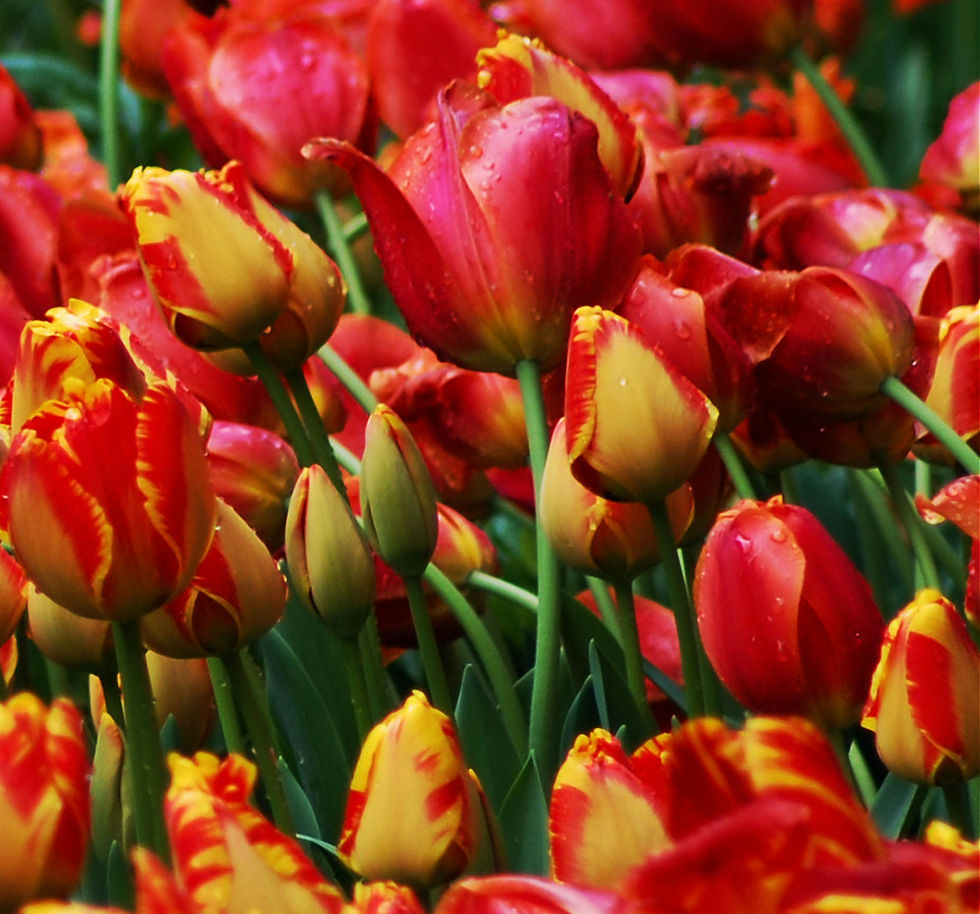
Tulip
Zones: 3-8
Growth: 9-24” tall
Sun & soil: full-partial sun; well-draining soil
2. Hyacinth
Zones: 4-8
Growth: 6-12” tall
Sun & soil: full-partial sun; well-draining soil
3. Daffodil
Zones: 4-8
Growth: 6-30” tall
Sun & soil: full-partial sun; well-draining soil

4. Crocus
The crocus is one variety of bulbs that can bloom through snow!
Zones: 3-8
Growth: 2-5” tall
Sun & soil: full sun; well-draining soil
5. Peony
Zones: 3-8
Growth: 2-3’ tall
Sun & soil: full sun; well-draining soil

6. Anemone
Zones: 3-10
Growth: 6-48” tall
Sun & soil: full sun; sandy, moist, & acidic soil
7. Iris
Certain types of iris are bulbs, while others are rhizomes. Make sure you decide on which variety you would like to plant, as the right season for planting may change.
Zones: 5-9
Growth: 6”-5’ tall
Sun & soil: full-partial sun; well-draining soil
8. Bluebell
Zones: 3-8
Growth: 1-2’ tall
Sun & soil: moist, but well-draining soil

9. Snowdrop
Just like crocuses, the snowdrop can bloom through snow.
Zones: 3-9
Growth: 6” tall
Sun & soil: full-partial shade; can tolerate all soils
10. Allium
Zones: 3-9
Growth: 5”-4’ tall
Sun & soil: full sun; slightly acidic well-draining soil, sandy loam is ideal
11. Lily
Unlike other bulbs, some lily varieties need to be planted in the spring, but fall is usually the best option.
Zones: 4-9
Growth: 14-18” tall
Sun & soil: full sun; well-draining, slightly acidic

12. Glory of the Snow
Zones: 3-8
Growth: 5”
Sun & soil: fun-partial sun; slightly acidic, well-draining soil
The ideal time to plant your bulbs depends on your zone but is usually anywhere from six to eight weeks—before the soil begins to freeze.
The planting itself is fairly easy. All you need to do is loosen the soil (you can do this with either a spade or a small tiller), make sure you space them at least 4” apart, and plant them three times as deep as the bulb is tall. For example, if the bulb is 2” tall, you would need to plant it 6” deep. An auger drill bit can make the digging process much easier.
After your flowering bulbs bloom, you will need to ‘dead head’ the dying flowers. Simply cut the flower off of the stem. Be sure to leave the foliage, as the bulb will use it to help store nutrients. Dying foliage is less than ideal, but for the health of the bulb, you need to leave all of the foliage until the plant dies at the end of its season. It may be June or even July before the plants fully wilt. Once this happens, you can cut the browned leaves and stems.
Bulbs are inherently perennial, so there is no need to replant them after the season is over. Nevertheless, similar to other perennial plants, bulbs should be replanted every few years. To ensure continuous blooms, consider planting a few new bulbs each autumn in case some do not survive.
With your newfound knowledge, get ready for the upcoming season by planting bulbs and enjoy the benefits of a colorful and thriving garden in the months ahead.
Remember not only spring showers bring spring flowers.
Precautionary Statement: Wet Your Plants Blog and its employees are not responsible for the use, misuse, or damage caused by the application or misapplication of information mentioned in this document.



Comments