
Inch Plants: Tradescantia zebrina
- MakaylaKeene

- Nov 19, 2024
- 3 min read
Inch plants, scientifically known as Tradescantia zebrina, have captivated many plant lovers with their vibrant colors and minimal care needs. Often seen cascading from pots or displayed in hanging baskets, inch plants are beautiful and impressively resilient.
The Origins of the Inch Plant

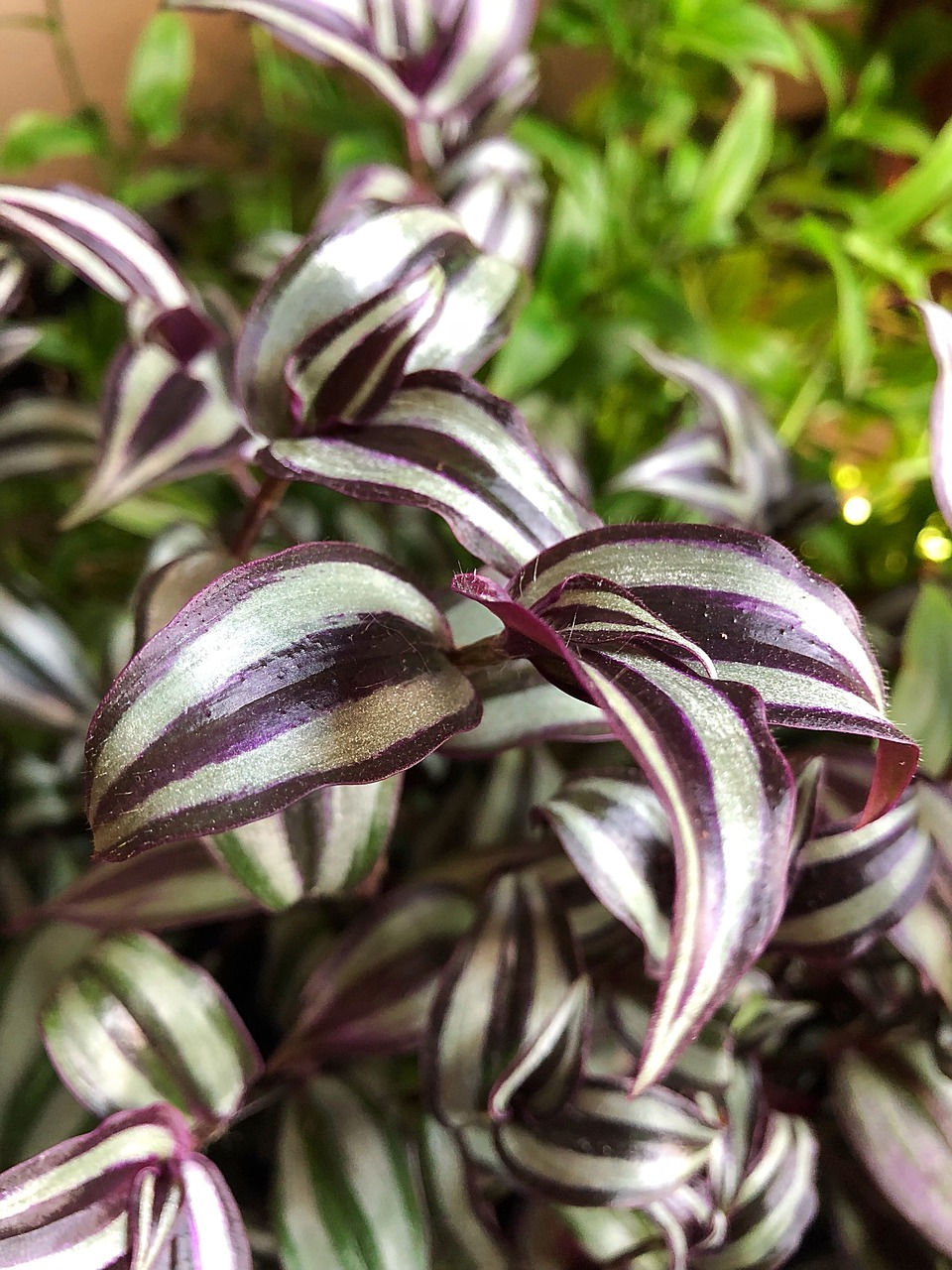
Originating from Mexico and Central America, inch plants boast stunning green and purple leaves, making them a favored indoor cultivation choice. They earned the name “inch plant” due to their rapid growth, which can sometimes reach an impressive inch per day during peak growth seasons. As members of the spiderwort family (Commelinaceae), their ability to thrive in various conditions makes them a staple in many households.
The variety of leaf colors can range from deep purple to silvery green, providing a striking contrast that enhances the look of any indoor space. Their adaptability has made them a top choice for both beginners and seasoned plant parents alike.
Caring For Your Inch Plant
One of the key qualities of inch plants is their flexibility concerning light and temperature. They thrive in a wide range of light settings, from low indirect light to bright, filtered sunlight. However, prolonged direct sunlight can scorch their leaves. Placing them near a window where they can receive filtered light is ideal.
Inch plants excel in humid environments, so misting them regularly or placing them on a pebble tray can help maintain the right humidity levels. They prefer a warm climate, with optimal temperatures between 60°F to 75°F (15°C to 24°C). Keeping them in this comfortable range promotes healthy growth.
Caring for inch plants involves mindful watering habits, though it is straightforward. Overwatering is a frequent cause of root rot, so it's essential to let the top inch of the soil dry out before the next watering. Watering once a week is usually sufficient during the growing season (spring through fall). In winter, this can be reduced to every two weeks.
These plants flourish in well-draining soil. A blend of potting soil combined with 30% perlite or sand can provide excellent drainage while promoting strong root development. Ensure your container has drainage holes; this is crucial for preventing excess moisture that can harm the roots.
Propagating Inch Plants
If you're looking to expand your collection, propagating inch plants is an enjoyable task. The simplest method is through stem cuttings. Cut a healthy stem just below a node, leaving it a few inches long. Place it either in a glass of water or directly in the soil, and roots should appear in about two weeks.
Alternatively, you can propagate by dividing the plant during repotting. Carefully separate the root ball into smaller sections, ensuring each has a few leaves. Plant these in individual pots to start new plants, which can thrive and grow independently.
Debunking Common Myths
Despite their popularity, several myths persist about inch plants. A prevalent misconception is that they only suit outdoor gardens. In reality, inch plants are fantastic indoor houseplants due to their adaptability.
Another myth is that inch plants are toxic to pets. While they are considered non-toxic, large quantities could cause mild stomach upset in pets. It is advisable to keep them out of reach of pets but don’t panic if they nibble occasionally.
Additionally, some believe inch plants need constant attention. In truth, they are quite forgiving. With proper watering and occasional fertilizing, they can thrive with minimal oversight, making them ideal for busy lifestyles.
Common Problems and Solutions
While hardy, inch plants may face occasional issues. One common problem is leaf drop, often due to overwatering or sudden temperature changes. Ensure proper drainage and maintain a gradual temperature environment to avoid this issue.
Leggy growth is another concern, which often results from insufficient light. Consider relocating your plant to a brighter space if it appears stretched or faded. Regular pruning can also encourage denser and fuller growth.
Finally, watch for pests like spider mites and aphids. These pests can harm your plant but can be managed with neem oil or insecticidal soap. Regular inspections help identify these pests early, allowing you to take swift action.
Embracing the Beauty of Inch Plants
Inch plants make a delightful addition to any indoor garden, offering both beauty and low maintenance care. Their flexibility in growing conditions, impressive growth rate, and air-purifying abilities establish them as a top choice for plant lovers of all kinds.
Inch plants do more than beautify your space; they also contribute positively to indoor air quality. Research indicates that plants like inch plants may help reduce indoor pollutants such as formaldehyde by up to 47% within 24 hours.
If you haven't yet welcomed an inch plant into your home, consider doing so. With their eye-catching foliage and multiple advantages, they can easily brighten and enhance any room.
Precautionary Statement: Wet Your Plants Blog and/or its employees are not responsible for the use, misuse, or damage caused by the application or misapplication of information mentioned in this document.


Comments